
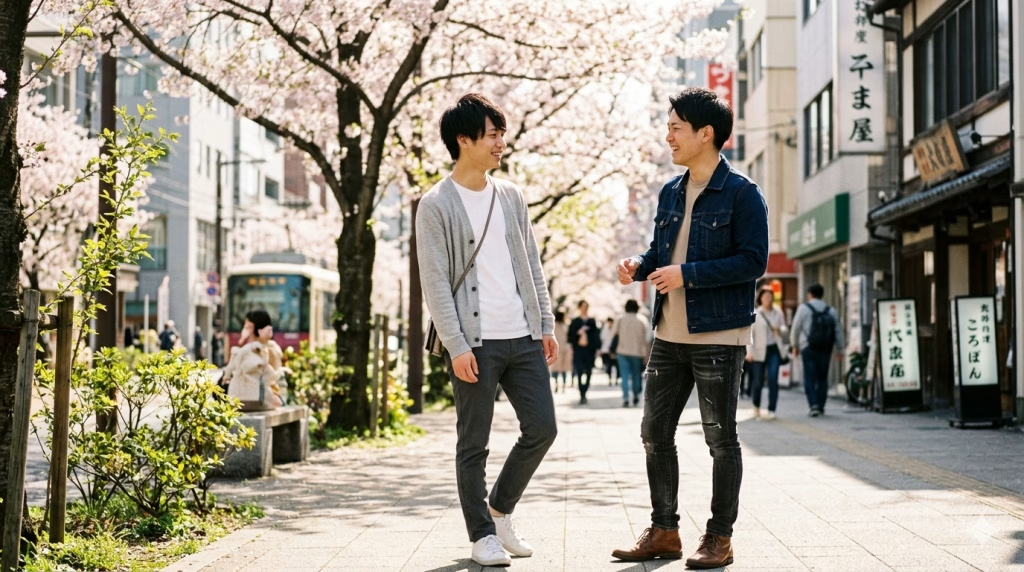
The Social Awakening: Nurturing Male Connections in the Spring Season

TEGAROOM – The transition from the biting chill of winter to the gentle warmth of spring represents far more than a mere change in the meteorological calendar. For men, this season serves as a profound psychological and social catalyst. While winter often encourages a period of introspection and physical isolation, spring demands an outward expansion. This seasonal shift offers a unique window for men to recalibrate their relationships with friends, family, and the broader community. Understanding the intersection of seasonal change and masculine social dynamics is essential for fostering a healthier, more connected lifestyle.
The Psychological Impact of Spring on Masculine Social Energy
As the days lengthen and the sun begins to hold its position in the sky, the human body undergoes a biological reset. Increased exposure to sunlight boosts serotonin levels, which directly influences mood and social motivation. For many men, the “winter blues” or seasonal affective disorder can lead to a withdrawal from social circles. When spring arrives, there is a natural surge in energy that makes the prospect of engagement less daunting. This biological prompt acts as an invitation to step out of the solitary routines established during the colder months and reconnect with the people who provide emotional and social scaffolding.
The psychology of spring is rooted in the concept of renewal. Just as the earth sheds its dormant layer, men often feel a subconscious urge to shed the emotional weight of the previous year. This creates a fertile ground for resolving lingering tensions with peers or initiating new conversations that were put on hold. The increased vitality associated with the season provides the necessary “social fuel” to attend gatherings, participate in outdoor activities, and invest time in meaningful dialogue. It is a period where the barrier to entry for social interaction is at its lowest, making it the ideal time to prioritize relational health.
Reinvigorating Platonic Friendships Through Active Engagement
Male friendships are frequently built on the foundation of “shoulder-to-shoulder” interaction rather than face-to-face emotional processing. Spring provides the perfect backdrop for this type of bonding. During the winter, these connections might dwindle to occasional text messages or online gaming sessions. However, the return of mild weather allows for the resumption of physical activities that define many male social groups. Whether it is a weekend hike, a casual game of football in the park, or working together on a backyard project, the shared experience of physical movement facilitates deeper communication without the pressure of a formal sit-down conversation.
These active engagements serve a dual purpose. They allow men to maintain their physical health while simultaneously reinforcing their social bonds. The casual nature of spring outings creates a low-stakes environment where men feel more comfortable sharing updates about their lives. The distractions of the environment—the trail ahead, the mechanics of a grill, or the strategy of a game—often act as a social lubricant. By participating in these shared seasonal rituals, men can transition from the surface-level check-ins of winter to the robust, supportive friendships that are vital for long-term mental well-being.
Strengthening Family Ties and Domestic Harmony in the New Season
The domestic sphere also undergoes a transformation as spring takes hold. For men in committed relationships or those with children, the season offers an opportunity to shift the family dynamic from indoor confinement to outdoor exploration. The “cabin fever” that often plagues households during February and March can lead to friction and irritability. Spring acts as a pressure valve, allowing families to disperse that built-up energy through gardening, neighborhood walks, or planning summer vacations. This shift in environment often leads to a shift in communication style, moving away from the logistical stresses of daily life toward a more relaxed and appreciative tone.
Furthermore, spring is traditionally a time for maintenance and improvement. Engaging in “spring cleaning” or home renovation projects can be a powerful way for men to contribute to the harmony of their household. When these tasks are approached as a collaborative effort rather than a solitary chore, they become opportunities for partnership and teaching. Working alongside a spouse or showing a child how to plant a seedling fosters a sense of shared purpose. These moments of domestic collaboration reinforce the idea that the home is a living, evolving space that reflects the care and attention of the people within it.
Community Integration and the Power of Shared Space
Beyond the immediate circles of friends and family, spring encourages men to reintegrate into their local communities. The reopening of farmers’ markets, local festivals, and community sports leagues provides a platform for spontaneous interactions that are rare in the winter. For men, being a part of a community provides a sense of belonging and identity that extends beyond their professional roles. Taking the time to chat with a neighbor over a fence or participating in a community cleanup event helps to build a local network of support that is both practical and emotional.
The importance of “third places”—spaces that are neither work nor home—cannot be overstated in the context of male social health. In the spring, these spaces expand to include parks, outdoor cafes, and public squares. By occupying these spaces, men contribute to the social fabric of their neighborhoods. These brief, recurring interactions with acquaintances and strangers alike help to combat feelings of isolation. They remind the individual that they are part of a larger ecosystem, providing a sense of security and continuity that is essential for a balanced life.
Overcoming the Barriers to Social Reconnection
Despite the natural advantages that spring provides, some men may find it difficult to break the habits of winter isolation. The transition can sometimes feel overwhelming, especially if one’s social skills feel “rusty” after months of limited interaction. It is important to acknowledge that re-entering social circles requires intentionality. Starting with small, manageable goals—such as a single coffee date or a short walk with a friend—can help build the confidence needed for larger gatherings. The key is to leverage the season’s momentum rather than waiting for the perfect moment to feel fully “ready.”
Another common barrier is the modern tendency to rely on digital communication. While technology is a useful tool for maintaining contact, it cannot replace the physiological and psychological benefits of in-person interaction. Spring serves as a reminder to put down the screen and engage with the physical world. The sensory experiences of the season—the smell of rain, the sight of blooming trees, and the feeling of the sun—enhance the quality of social interactions, making them more memorable and impactful. By making a conscious effort to prioritize physical presence, men can ensure that their relationships are characterized by depth and authenticity.
Cultivating a Sustainable Social Lifestyle Beyond the Spring
While the focus is often on the immediate burst of energy that spring provides, the ultimate goal is to use this season as a foundation for a sustainable social lifestyle. The habits formed in April and May should ideally carry through the heat of summer and into the following autumn. This means identifying the activities and people that bring the most value to one’s life and making a commitment to keep those connections alive. Spring is the planting season, not just for gardens, but for the social infrastructure that will support a man throughout the rest of the year.
Reflecting on the progress made during the spring can help in maintaining this momentum. Men should take note of how their mood improves when they are regularly connected to their peers and how their home life stabilizes when they are present and engaged. By recognizing these positive outcomes, the motivation to stay social becomes self-sustaining. The transition into spring is a recurring gift, a yearly opportunity to audit one’s social life and make the necessary adjustments to ensure a life of connection, purpose, and community. Embracing this seasonal shift is a powerful step toward a more fulfilled and resilient version of manhood.