Men’s Hiking Gear: Safety and Comfort 2024

TEGAROOM – Mountain climbing is an inherently challenging and exhilarating activity, yet it remains fraught with risks that demand respect and preparation. Beyond the necessity of physical stamina and mental fortitude, the success of any ascent is heavily dependent on having the right equipment. Preparing for a mountain trek requires a meticulous balance between security and personal comfort. There is a foundational principle that every seasoned climber lives by: it is far better to carry a piece of gear and not need it than to desperately need it and not have it. For men planning a journey into the wilderness, selecting the appropriate gear is the absolute key to enjoying the experience while ensuring a safe return.
The Science of Mountain Apparel and Layering
The clothes you wear on a mountain must perform a difficult balancing act; they must keep your body warm during freezing winds, dry during unexpected downpours, and comfortable during intense physical exertion. The most effective way to achieve this is through a strategic three-layer system. The first layer, known as the base layer, is responsible for moisture management. Its primary function is to wick sweat away from the skin to keep you dry. It is vital to choose synthetic materials like polyester or natural fibers like merino wool, while strictly avoiding cotton. Cotton absorbs moisture and dries slowly, which can lead to rapid heat loss and dangerous chills. Thermal shirts and moisture-wicking underwear are essential components of this first line of defense.
The second layer, or the mid-layer, serves as insulation to trap body heat. Fleece jackets or sweaters made from synthetic wool are popular choices because they provide significant warmth without adding excessive weight. When selecting a mid-layer, look for pieces that are highly compressible so they do not occupy too much space in your backpack. The thickness of this insulation should be adjusted based on the predicted temperatures of the specific mountain you are climbing. Finally, the outer layer acts as a shield against the elements—rain, wind, and snow. Waterproof and windproof jackets and trousers are non-negotiable. A high-quality outer shell should feature a protective hood and ventilation zips to prevent overheating while keeping external moisture out.
Beyond the core layering system, several smaller items of apparel are equally critical. Socks should be made of wool or synthetic blends to prevent blisters and provide cushioning; always carry multiple pairs to ensure your feet stay dry. Gloves are necessary to protect hands from frostbite and abrasions, with thickness varying depending on the altitude. Headwear is also essential, ranging from sun hats for UV protection to warm beanies for heat retention. A versatile neck gaiter or “buff” is highly recommended as it can function as a face mask, headband, or neck warmer depending on the shifting conditions.
Essential Climbing Gear and Navigation Tools
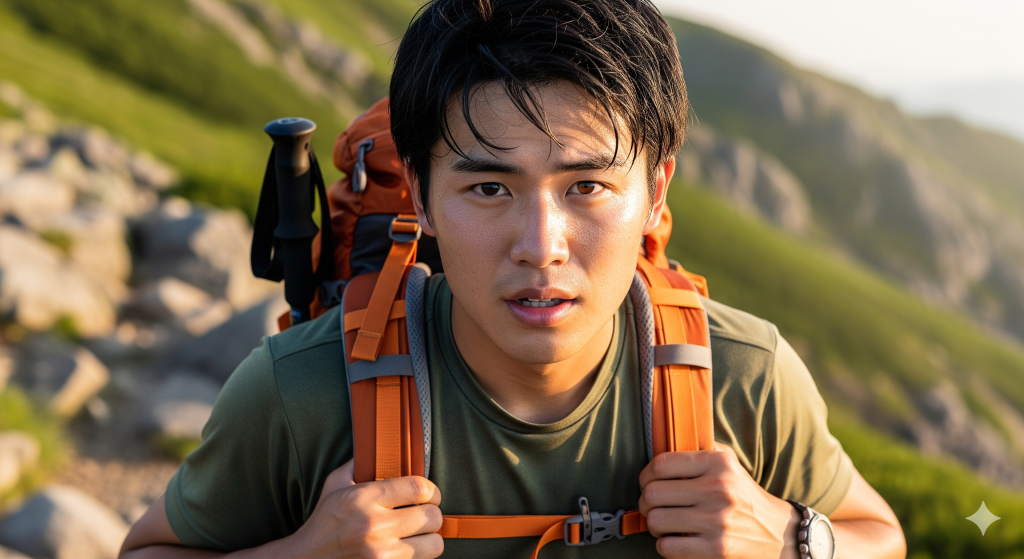
The equipment you carry on your back determines your self-sufficiency in the wild. The most important piece of hardware is the backpack itself. You must choose a pack with a capacity that matches the duration of your trip—typically 50 to 70 liters for multi-day treks. A good pack must have an ergonomic load-bearing system that transfers weight to your hips rather than your shoulders, making the heavy load feel significantly lighter. Equally important is your choice of footwear. Mountain boots must be waterproof, provide excellent traction, and, most importantly, be “broken in” before the climb to prevent debilitating blisters.
Trekking poles are an often-underrated asset for male climbers. They help distribute weight away from the knees and ankles, particularly during steep descents, while significantly improving balance on uneven terrain. For illumination, a high-quality headlamp is superior to a handheld flashlight because it keeps your hands free for climbing or using poles. Ensure your headlamp has a long battery life and carries extra sets of batteries. Furthermore, never underestimate the power of traditional navigation. While GPS devices and smartphone apps are convenient, batteries fail and signals vanish. A physical map and a compass are essential backups, provided you have practiced how to use them before setting foot on the trail.
Safety Protocols and Emergency Preparedness
Safety gear is the part of your kit you hope never to use, but it must be prepared with the utmost care. A comprehensive first aid kit is mandatory, containing bandages, antiseptics, pain relievers, and medication for common trail ailments like diarrhea or altitude sickness. In addition to medical supplies, a sturdy multi-tool or pocket knife is incredibly useful for everything from gear repairs to food preparation. Safety is also about visibility and signaling; carrying a loud whistle and a small signal mirror can be the difference between being found or remaining lost in an emergency.
Environmental protection is another pillar of safety. Even if the forecast looks clear, a dedicated rain poncho should be carried in addition to your waterproof jacket to protect both you and your pack during heavy storms. For emergency utility, carrying a length of paracord or strong rope can help with securing gear or building temporary shelters. When it comes to survival, fire is life. Always carry a waterproof lighter or matches in a sealed container, along with a secondary backup. Finally, a simple supply of heavy-duty plastic bags is invaluable for keeping your electronics dry or separating wet, muddy clothes from the rest of your gear.
Health Maintenance and Final Preparation Tips
Maintaining your physical health during the climb requires constant attention to nutrition and hydration. You must carry sufficient water and, ideally, a portable filtration system or purification tablets to treat water from natural sources. Your food supply should consist of nutrient-dense, lightweight snacks that provide immediate energy, such as energy bars, dark chocolate, and dried fruits. Protecting your skin is also a health priority; high-altitude sun is much stronger than at sea level, so high-SPF sunscreen and lip balm are essential to prevent painful burns and chapped lips.
There are also several logistical tips that can make a mountain journey much smoother. Always carry digital and physical copies of your important documents, such as your ID and permits, in a waterproof folder. Before you depart, it is crucial to study your route and the local weather patterns thoroughly. Climbing in a group is always safer than going solo, and you should always leave a detailed itinerary with someone back home, including your expected return time. Finally, physical training in the weeks leading up to the climb will ensure your body is ready for the rigors of the ascent.
In conclusion, mountain climbing is a profound experience that requires meticulous preparation. By carefully selecting high-quality gear and balancing comfort with security, you can minimize risks and focus on the majestic beauty of the peaks. Investing in reliable equipment is not about vanity or style; it is a commitment to your own survival and the enjoyment of the wilderness. With the right apparel, tools, and safety mindset, the challenges of the mountain become manageable milestones in an unforgettable adventure.