
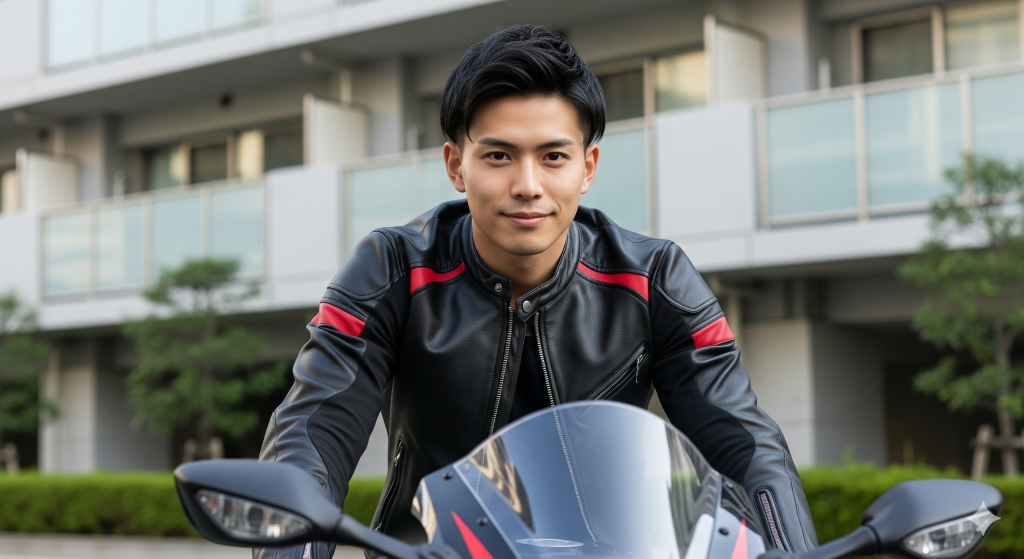
7 Tips for Choosing a Sportbike Within Your Budget

TEGAROOM – Buying a sport motorcycle is a dream for many enthusiasts, representing a unique blend of adrenaline, sophisticated design, and high-level performance. The thrill of the open road combined with a machine that looks as aggressive as it feels is a powerful lure. However, the process of selecting the right bike while adhering to a strict budget is often where the dream meets a challenging reality. Navigating the world of high-performance machinery requires a balance between desire and financial pragmatism. This comprehensive guide will walk you through the essential steps to ensure you secure your dream sport bike without compromising your financial stability.
Establishing a Total Budget and Detailed Cost Breakdown
The foundational step in this journey is the establishment of a total budget that encompasses more than just the sticker price of the motorcycle. Many first-time buyers make the mistake of looking only at the manufacturer’s suggested retail price, failing to account for the secondary expenses that inevitably follow. To create a realistic financial plan, you must first consider the down payment if you are opting for credit. Generally, a down payment ranges between twenty and fifty percent of the total price. A larger initial payment is almost always beneficial, as it reduces the monthly installment burden and the total interest paid over the life of the loan.
Beyond the initial purchase price and down payment, one must account for administrative fees. Banks and leasing companies charge processing fees that vary significantly between institutions, and these are often due upfront. Furthermore, insurance is a non-negotiable expense for a sport motorcycle. Because these bikes are high-performance and carry a higher risk profile, insurance premiums can be substantial. It is vital to research various providers to find a policy that balances comprehensive coverage with an affordable premium, ensuring your investment is protected against accidents or theft without draining your monthly resources.
Registration and annual taxation are ongoing costs that must be integrated into your long-term budget. Every year, you will be required to pay vehicle taxes and registration fees to keep your motorcycle legal on the road. Additionally, the maintenance of a sport bike is typically more intensive than that of a standard commuter motorcycle. These machines require high-quality oil, specialized filters, and frequent checks on components like tires and chains. Neglecting maintenance can lead to catastrophic failures, so setting aside a dedicated maintenance fund is essential for the longevity of the bike and your safety.
Safety equipment is perhaps the most critical area where you should never look to cut costs. A high-performance motorcycle requires high-performance gear. This includes a certified full-face helmet, a reinforced riding jacket, specialized gloves, and protective boots. These items are not merely accessories; they are life-saving tools. When calculating your total budget, ensure that a significant portion is dedicated to acquiring quality gear. Once you have totaled these peripheral costs, you will have a much clearer picture of the actual price range you can afford for the motorcycle itself.
Defining Your Needs and Technical Specifications
Once your financial boundaries are established, the next phase involves narrowing down the specific type of sport motorcycle that aligns with your lifestyle and riding experience. The most significant variable here is engine capacity. The displacement of the engine directly dictates the power, torque, and overall performance of the machine. While a liter-class bike might offer exhilarating speed, it also comes with higher fuel consumption, more expensive insurance, and a steeper learning curve. Beginners are strongly encouraged to start with smaller displacements, such as the 250cc to 400cc range, which offer a more manageable entry point into the world of sport riding while remaining budget-friendly.
Technology and features are the next major considerations. Modern sport motorcycles are often equipped with advanced rider aids such as Anti-lock Braking Systems, traction control, multiple riding modes, and digital instrument clusters. While these features significantly enhance safety and the overall riding experience, they also drive up the purchase price. You must decide which technologies are essential for your safety and which are merely luxuries. For instance, ABS is widely considered a must-have for modern riders, whereas high-end features like quick-shifters or electronic suspension might be areas where you can save money if your budget is tight.
Aesthetics and ergonomics also play a vital role in your selection. Sport motorcycles come in various styles, ranging from aggressive, track-focused supersports to more comfortable “naked” bikes or sport-tourers. You should choose a design that resonates with your personality but also one that fits your physical frame. A bike that looks incredible but feels painful to ride for more than twenty minutes is not a good investment. Sit on several different models to check the reach to the handlebars and the position of the footpegs before making a final decision.
The type of transmission you choose will also impact your daily experience. Most traditional sport motorcycles utilize a manual transmission, which provides the rider with maximum control over the engine’s power delivery and is generally preferred by enthusiasts. However, there is a growing market for automatic or “dual-clutch” sport-styled bikes, which offer a much more convenient experience in heavy urban traffic. Understanding your primary riding environment—whether it be open canyon roads or congested city streets—will help you decide which transmission type offers the best value for your specific situation.
Market Research and the Used Motorcycle Alternative
With a clear set of specifications in mind, you must transition into the research phase. This involves more than just visiting a single local dealer. You should utilize official manufacturer websites to understand the base pricing, visit online marketplaces to see real-world transaction prices, and read owner forums to learn about the long-term reliability of specific models. During this phase, pay close attention to the resale value of the motorcycles you are considering. Some brands and models hold their value much better than others, which is a crucial factor if you plan to upgrade to a larger bike in a few years.
If a brand-new motorcycle remains out of your financial reach, the used market offers an excellent alternative. Purchasing a pre-owned sport bike can save you thousands of dollars in immediate depreciation. However, this route requires a much higher level of scrutiny. When inspecting a used motorcycle, you must be diligent in checking the engine’s health, the integrity of the electrical system, the condition of the bodywork, and the authenticity of the documentation. If you are not mechanically inclined, it is highly recommended to bring a trusted mechanic with you to perform a professional inspection before any money changes hands.
Negotiation is a vital skill when dealing with both private sellers and dealerships. Do not be afraid to haggle over the price, especially if you have done your research and know the market value of the bike. In the used market, a polite but firm negotiation can often result in significant savings. When dealing with dealerships, you might not always be able to lower the sticker price, but you may be able to negotiate for free servicing, extended warranties, or discounts on riding gear, all of which add value to your purchase.
Leveraging Promotions and Prioritizing Safety
Timing your purchase can also lead to substantial savings. Many motorcycle dealerships offer seasonal promotions, especially during automotive expos, end-of-year clearances, or major holidays. Manufacturers often provide low-interest financing or cash-back incentives during these windows. If you are not in an immediate rush, waiting for these promotional periods can make a premium motorcycle much more accessible. Additionally, keep an eye out for financing programs that offer longer tenors if you need to keep your monthly payments low, though you should always calculate the total interest over time.
Throughout this entire process, the one factor that should never be compromised is safety. It can be tempting to choose a faster, cheaper bike that lacks modern safety features, but this is a false economy. A motorcycle with ABS and high-quality lighting is an investment in your physical well-being. Furthermore, the money you saved by being diligent with your budget should always be funneled back into the best safety gear you can afford. A budget-friendly bike becomes very expensive the moment you have an accident because you lacked the proper equipment or safety features.
Ultimately, the process of buying a sport motorcycle should be a marathon, not a sprint. Because it represents a significant financial and personal commitment, rushing into a decision is the most common cause of “buyer’s remorse.” Take the time to conduct thorough research, test ride multiple models, and wait for the right financial opportunity to arise. By being patient and following a structured approach, you can find a machine that provides the performance you crave at a price you can truly afford.
In summary, the path to owning a sport motorcycle is paved with careful planning and realistic expectations. By defining a total budget that includes maintenance and gear, choosing a bike that fits your skill level, and being smart about when and where you buy, you can enjoy the exhilarating world of motorcycling without financial stress. With the right preparation, you will soon find yourself on the road, enjoying the perfect balance of performance, style, and financial peace of mind.