
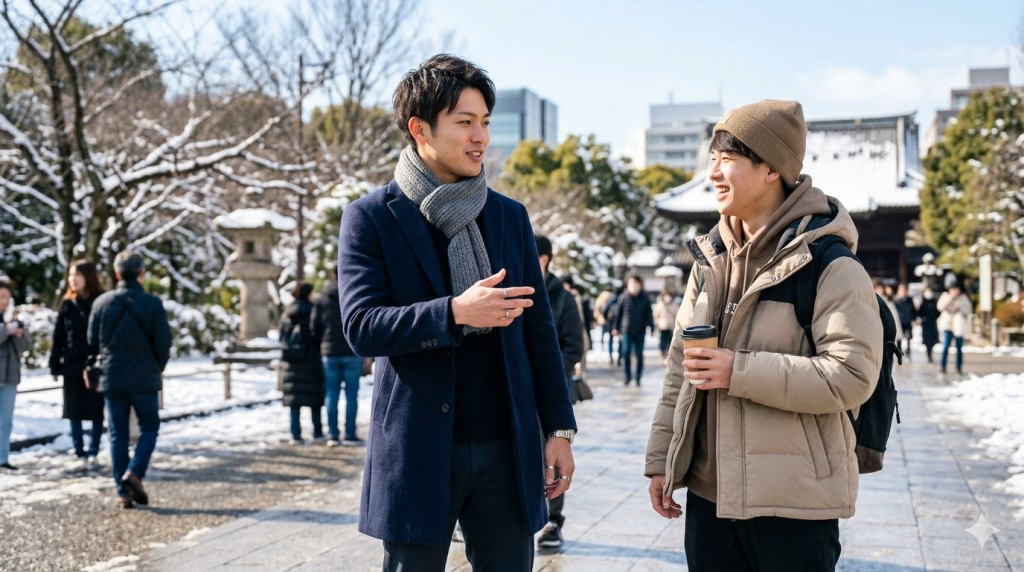
Warmth in the Frost: Navigating Male Social Dynamics During Winter

TEGAROOM – The arrival of winter brings a profound shift in the physical landscape, but its impact on the psychological and social landscape of men is often overlooked. As the days shorten and the mercury drops, the natural inclination is to retreat inward, both literally and figuratively. However, the winter season presents a unique set of challenges and opportunities for men in how they relate to their partners, friends, family, and colleagues. Understanding the interplay between the cold climate and human connection is essential for maintaining emotional well-being and fostering deeper bonds when the world outside feels increasingly inhospitable.
The Psychological Impact of Seasonal Shifts on Masculine Connection
Winter introduces a biological variable that significantly influences social behavior: the reduction of sunlight. For many men, this shift triggers a dip in serotonin and an increase in melatonin, leading to what is commonly known as winter blues or, in more severe cases, Seasonal Affective Disorder. This physiological change often manifests as irritability, social withdrawal, or a lack of energy, all of which can strain relationships. Unlike the high-energy social expansion of summer, winter demands a more intentional approach to staying connected. Men who recognize these internal shifts are better equipped to communicate their needs to those around them, preventing misunderstandings that arise when silence is mistaken for apathy.
Redefining Romantic Intimacy Through Domestic Presence
In a romantic context, winter forces a transition from outdoor adventures to domestic proximity. This “nesting” phase can be a double-edged sword for many men. On one hand, the physical closeness of sharing a home during a snowstorm or a cold evening provides a fertile ground for emotional intimacy. It is a time for deeper conversations that are often bypassed during the busy, activity-focused summer months. On the other hand, the lack of external outlets can lead to a sense of confinement. Success in romantic relationships during this period relies on the ability to balance shared space with individual autonomy. A man who can cultivate a sense of warmth and security within the home, while also respecting his partner’s need for personal air, often finds that winter strengthens the foundational bond of the relationship.
The Evolution of Male Friendships in the Cold Months
Male friendships frequently revolve around shared activities or “shoulder-to-shoulder” interactions, such as sports, outdoor work, or travel. When winter limits these options, many men find their social circles shrinking. The loss of a weekly football game or a hiking group can lead to a sense of isolation. To combat this, there is a growing trend toward “indoor brotherhood,” where men find new ways to maintain their tribes. Whether it is through organized indoor hobbies, gaming, or simply meeting at a local pub, the objective remains the same: maintaining the consistent presence of peers. These winter interactions often become more verbal and supportive, allowing men to discuss life’s pressures in a way that the distractions of summer might prevent.
Navigating Family Obligations and the Holiday Pressure
The winter season is synonymous with holiday gatherings, which bring a unique set of expectations for men. Often cast in the role of the “provider” or the “problem solver,” men may feel an intense pressure to manage logistics, finances, and family harmony during festive events. This can lead to a paradoxical feeling of being surrounded by people yet feeling incredibly lonely or stressed. The key to navigating family dynamics in winter lies in setting boundaries and practicing vulnerability. By sharing the load of holiday expectations and being honest about the stress of the season, men can move away from performing a role and toward genuine connection with their parents, siblings, and extended family.
Professional Relationships and the Winter Slump
The workplace environment undergoes its own transformation during the winter. Shortened daylight hours often mean arriving at and leaving the office in darkness, which can dampen morale and team cohesion. For men in leadership or collaborative roles, maintaining a positive rapport with colleagues requires extra effort. The lack of “water cooler” moments that happen naturally in warmer weather means that professional relationships can become purely transactional. Taking the time to check in on the well-back of team members or engaging in brief, non-work-related conversations helps humanize the professional space. This prevents the winter chill from seeping into the corporate culture and ensures that the team remains a source of social support rather than just a source of stress.
Physical Activity as a Bridge to Social Engagement
One of the most effective ways men stay connected during winter is through physical movement. While the gym is a common sanctuary, outdoor winter sports like skiing, ice skating, or even hiking in the snow provide a different kind of social currency. These activities require a level of physical exertion that releases endorphins, directly countering the lethargy of the season. Engaging in these activities with others creates a sense of shared triumph over the elements. This “warrior” mentality—the idea of braving the cold together—serves as a powerful bonding agent. It reminds men that they are not alone in their struggle against the darker months and provides a constructive outlet for restless energy.
The Importance of Vulnerability in Seasonal Communication
Perhaps the most significant challenge men face during winter is the cultural expectation to remain stoic despite the seasonal dip in mood. There is a quiet strength in being able to admit that the lack of sun or the isolation of the season is taking a toll. When a man expresses these feelings to his inner circle, it often gives others permission to do the same. This honesty acts as a heat source for relationships, melting the ice of superficiality. Communication in winter shouldn’t just be about logistics; it should be about the internal experience of the season. By moving beyond the “I’m fine” defense, men can build a support system that is resilient enough to last through the harshest blizzards.
Creating New Traditions to Combat Social Stagnation
Winter is an ideal time for the creation of new rituals that foster long-term connection. Whether it is a monthly dinner club, a specific way of celebrating the winter solstice, or a dedicated night for a hobby, these traditions provide a structural framework for social life. They give men something to look forward to during the long stretch between January and March, which is often the most difficult period for mental health. These rituals act as anchors, ensuring that even when the weather is at its worst, the social calendar remains a priority. By taking the lead in organizing these gatherings, men can affirm their value within their social groups and ensure that their community remains vibrant.
Finding Solitude Without Falling Into Isolation
It is important to distinguish between healthy solitude and damaging isolation. Winter naturally invites reflection, and for many men, this quiet time is necessary for personal growth and mental clarity. Reading, meditation, or solo creative projects can be incredibly fulfilling. However, the line between enjoying one’s own company and feeling cut off from the world is thin. A healthy winter social strategy involves a rhythmic movement between the self and the group. Recognizing when solitude has turned into a “slump” is crucial. Reaching out for a quick phone call or a brief coffee meeting can be enough to break the cycle of isolation and reintegrate into the warmth of human contact.
Looking Toward the Thaw with Strengthened Bonds
As winter eventually gives way to spring, the relationships that were nurtured during the cold months often emerge stronger and more resilient. The intentionality required to stay connected when it was difficult creates a deep sense of trust and mutual appreciation. Men who have invested in their partners, friends, and families during the frost find that they have a more solid foundation upon which to build their summer adventures. The “wintering” of relationships is not just about survival; it is about refinement. It is a period where the noise of the outside world is hushed, allowing the true quality of a man’s connections to shine through, proving that the warmest fires are those we build together when the world is at its coldest.