
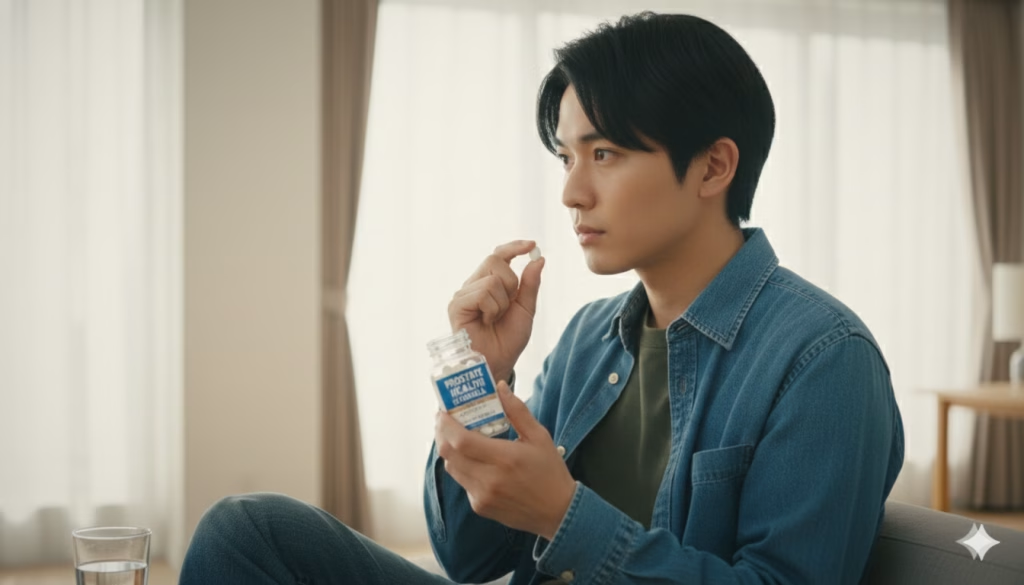
Long-Term Prostate Health: Essential Guide for Men in Their 20s

TEGAROOM – Have you ever heard the word “prostate”? You might assume it is a topic only discussed by your father or grandfather, but that assumption is a serious mistake. Maintaining prostate health is not just a concern for the elderly; it is a vital investment that should begin while you are young, even as early as your 20s.
The prostate is a small, walnut-sized gland located just below the bladder, surrounding the urethra. Its function is crucial in the male reproductive system, as it produces the fluid that makes up a portion of semen. If the prostate encounters issues—whether it is enlargement (BPH), inflammation (Prostatitis), or cancer—your quality of life can decline drastically. The good news is that you have significant control over this “male engine.” By implementing concrete steps in your lifestyle, diet, and daily habits now, you can ensure it remains in top condition for decades to come.
Pillar One: Food as Medicine and the Anti-Inflammatory Diet
What you put into your body directly reflects your health, and this is especially true for the prostate. Adopting the right eating patterns while young is your best defense against future disease. The primary focus should be on anti-inflammatory foods rich in protective nutrients. The prostate thrives on vegetables, particularly deep greens and bright reds.
Lycopene is a standout hero in this regard. This compound, which gives tomatoes their red color, has been proven effective in lowering the risk of prostate cancer. Interestingly, lycopene is more easily absorbed by the body when tomatoes are cooked, such as in pasta sauces, soups, or juices. Watermelon and papaya are also excellent sources. Additionally, cruciferous vegetables like broccoli, cauliflower, cabbage, and bok choy contain sulforaphane, a compound that helps eliminate harmful cells.
Healthy fats are equally essential. The prostate requires unsaturated fats rich in Omega-3 fatty acids. Fatty fish such as salmon, mackerel, and sardines are the best sources of these natural anti-inflammatory agents. You should also consider swapping standard cooking oils for extra virgin olive oil or canola oil. Conversely, it is important to limit “prostate enemies” like processed red meats—especially those charred at high temperatures—and excessive high-fat dairy. Reducing sugar and refined carbohydrates is also vital, as they trigger blood sugar spikes that lead to systemic inflammation, to which the prostate is highly sensitive.
Pillar Two: Physical Activity and Weight Management
A sedentary lifestyle is one of the greatest threats to modern men’s health. Regular exercise does more than just maintain your physique; it improves blood flow, manages weight, and reduces inflammation. Maintaining an ideal weight is crucial because excess fat cells, particularly around the abdomen, produce hormones that can trigger abnormal prostate cell growth. Exercise is the key to keeping your Body Mass Index (BMI) in a healthy range.
Cardiovascular activities are particularly effective. Engaging in aerobic exercises like running, swimming, cycling, or brisk walking for at least 30 minutes, three to five times a week, helps maintain heart health and ensures that oxygen and nutrients reach the prostate gland efficiently. Furthermore, men should not overlook pelvic floor exercises. Often associated with women, Kegel exercises for men strengthen the muscles around the prostate and bladder, which can significantly improve urinary function. Integrating these into your routine can provide long-term benefits for your urological health.
Pillar Three: Lifestyle Management and Stress Reduction
Prostate health is also deeply influenced by your daily lifestyle choices. Proper hydration is a simple yet vital habit; drinking enough water helps flush the urinary tract and prevents the buildup of bacteria that can cause prostatitis. However, try to limit excessive caffeine or alcohol, especially before bed, as these can irritate the bladder and prostate.
Stress management is another critical factor. Chronic stress keeps the body in a state of high cortisol production, which can trigger inflammation throughout the body. Finding healthy outlets for stress—such as meditation, hobbies, or spending time in nature—is essential. Similarly, the importance of quitting smoking cannot be overstated. Smoking is one of the strongest risk factors for various cancers, including aggressive forms of prostate cancer. Finally, some research suggests that regular sexual activity may help maintain prostate health by helping to clear the gland of substances that might otherwise accumulate.
Pillar Four: Preventive Measures and Early Check-ups
While a healthy diet is the best source of nutrients, certain supplements can act as protective complements. Zinc is particularly important, as the prostate gland naturally contains a very high concentration of this mineral; deficiencies are often linked to prostate issues. Oysters, pumpkin seeds, and nuts are excellent food sources. Selenium, found in Brazil nuts, and Vitamin D also play protective roles as antioxidants and regulators of cell growth.
Popular herbal supplements like Saw Palmetto are often used to relieve symptoms of BPH due to their effect on hormones. While more common among older men, prioritizing nutrient-rich foods remains the best preventive step for younger men. Green tea extract, rich in EGCG antioxidants, also offers potent anti-cancer and anti-inflammatory properties.
Regarding medical check-ups, young men under 40 without a family history usually do not require routine prostate screenings unless they experience symptoms like difficulty urinating, pain, or blood in the urine. However, if you have a strong family history of early-onset prostate cancer, you should consult a urologist by age 40. Early detection through PSA blood tests and digital rectal exams is the key to successfully treating prostate issues. Never let embarrassment delay a check-up that could potentially save your life.
Maintaining prostate health is a lifelong commitment that yields significant dividends. By consistently choosing antioxidant-rich foods, exercising regularly, and managing stress, you are taking the most important steps toward a long, healthy, and trouble-free life.