
Men on Screen: Mapping Modern Masculinity’s Transformation 2025

TEGAROOM – TV series have long served as a reflection of society, and one of the most dynamic aspects of this reflection is the portrayal of male characters. From flawless heroes to complex anti-heroes, men on the small screen have undergone a significant evolution that not only reflects but also reshapes the definition of modern masculinity. This article explores how these representations have shifted from rigid stereotypes to richer, multi-faceted characters, and the impact this has on how we perceive and understand the role of men in the real world.
The Classical Era: Men as Perfect Heroes
In the early days of television, male representation was often bound by clear stereotypes. They were physically strong, stoic figures, and frequently served as the sole backbone of the family or society.
The Muscular and Brave Hero: Series like The Lone Ranger or Gunsmoke showcased men on the screen who were tough, just, and always knew how to solve problems. Emotions were rarely shown, as they were considered a sign of weakness. Values such as honor, courage, and responsibility were emphasized, but at the expense of emotional depth.
The Traditional Family Man: Classic sitcoms like Leave It to Beaver featured wise father figures who always came home on time, worked hard, and provided perfect moral advice. This figure, while warm, was often portrayed as the primary decision-maker without considering the more complex dynamics within a family.
These representations of men on the screen, while comforting and providing a sense of security for viewers, indirectly limited the understanding of what it means to be a man. The pressure to always be strong and never waver created a standard that was difficult to reach and sometimes unrealistic for real-life men.
Shifting Paradigms: The Emergence of Vulnerability and Complexity
Over time, society began to demand more honest and profound representations. Television responded by creating male characters who were more complex, facing not only external challenges but also internal struggles.
The Vulnerable Man: Series like The Sopranos opened the door for representations of men on the screen who were far from perfect. Tony Soprano was a ruthless mafia boss, but he was also a man struggling with panic attacks and insecurity. Through his therapy sessions, viewers saw a side of masculinity rarely displayed: anxiety, depression, and vulnerability. This was a crucial turning point, showing that true strength does not always mean the absence of fear or doubt, but how one faces them.
The Emotional Man: Characters like Jack Pearson from This Is Us redefined the image of a father and husband. He was a man on the screen who showed affection openly, was not afraid to cry, and was actively involved in raising his children. His representation challenged the idea that emotion is a feminine trait, proving that emotional expression is a part of masculine strength.
This transformation helped dismantle the myths of toxic masculinity, where men must suppress their feelings to be considered strong. These characters showed that a man can be a hero to his family in more sincere ways, not just through violence or dominance.
Modern Masculinity on Screen: Beyond Stereotypes
Modern television has moved even further, offering a much broader and more inclusive spectrum of masculinity. Men on the screen can now be anything: a struggling single father, a man seeking acceptance, or a man facing identity issues.
Men as Caregivers: Series like Parenthood or Modern Family feature men on the screen who are not just breadwinners but also primary caregivers. They cook, take children to school, and discuss emotions with them. This representation is vital as it challenges traditional gender stereotypes regarding who is responsible for domestic work and childcare.
Diversity of Male Identity: More diverse representations in terms of race and ethnicity are also appearing more frequently. These men on the screen have rich, complex, and multi-dimensional narratives, showing that masculinity is not tied to a single form.
The Anti-Hero: Characters like Walter White in Breaking Bad or Don Draper in Mad Men serve as extreme examples of flawed modern masculinity. They are men on the screen traditionally considered “successful” (intelligent, charismatic, ambitious), but their decisions are fraught with moral failings and often destroy their lives and those around them. This representation, though problematic, is very effective in exploring the dark side of ambition and the pressure to be a “successful real man.”
Impact and Reflection: How the Screen Shapes Our View
Representations of men on the screen are not just for entertainment; they have a real impact on how audiences, both men and women, understand gender roles and masculinity.
Opening Conversations: Complex and vulnerable characters have sparked more open conversations about mental health, relationships, and the emotions of men. Viewers see that it is okay to feel insecure, ask for help, or cry, because the figures they admire on TV experience these things too.
Challenging Social Expectations: By showing men on the screen in unconventional roles (for example, as primary caregivers), TV series help challenge rigid social expectations. This provides freedom for men in the real world to explore their identities and roles outside of traditional boundaries.
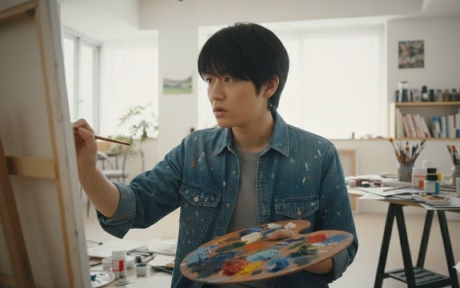
Creating New Identities: For the younger generation, these diverse representations offer a wider spectrum of identity. A boy no longer only has the option to be a muscular hero; he can also be a sensitive artist, a loving father, or a man who expresses himself authentically.
Conclusion
The evolution of male representation on the screen from rigid, perfect heroes to complex and vulnerable characters is a reflection of broader social changes. Television now presents a rich and diverse palette of masculinity. From Tony Soprano grappling with depression to Jack Pearson serving as a model of a loving father, these characters have taught us that true masculinity lies not in physical strength or dominance, but in emotional depth, honesty, and the ability to be authentic.